

Tour Overview - Comprehensive North India Tour with Ahmedabad and Goa
Embark on a definitive 18-day odyssey across the diverse landscapes of India with Travel Astu, your expert partner in bespoke, high-end travel. This masterfully designed circuit by Astu captures the imperial grandeur of the North and the royal heritage of Rajasthan, before transitioning into the unique architectural wonders of Ahmedabad and the tropical bliss of the Goa coastline. Travel Astu Pvt Ltd has curated this program to offer a perfect harmony of iconic Mughal monuments, Rajput desert culture, and the UNESCO World Heritage heritage of Gujarat, concluding in the vibrant metropolis of Mumbai.
Your journey with Astu Travel is enriched by deep-dive experiences, including the Taj Mahal, the blue-hued streets of Jodhpur, and the intricate stone-carved mosques of Ahmedabad. A soulful highlight of the itinerary is an invitation to the Family Table India in Delhi. Here, you will join a local Hindu family for a private cooking demonstration and a traditional Thali dinner, sharing stories that bridge the gap between traveler and guest. From the Sabarmati Ashram to the sun-drenched beaches of the Arabian Sea, Astu ensures every detail of this 18-day grand voyage is executed with flawless precision and 24/7 guest support.
Day to day itinerary
As per flight time TravelAstu representative will be there on Delhi airport to receive you with paging board of your name along with logo of Travel Astu. We will traditionally welcome you and transfer you to hotel.
If you are arriving evening, then hotel check-in and relax. If you are arriving morning or noon, we will start sightseeing tour of Delhi, visiting –
LOTUS TEMPLE: Lotus temple (Monday Closed) located in south of Delhi. It is lotus shaped and has rightly been given the name. It is made of marble, cement, dolomite and sand. It is open to all faiths and is an ideal place for meditation and obtaining peace and tranquillity. Its founder, Bahaullah (1817-1892), is regarded by Bahai as the most recent in the line of Messengers of God that stretches back beyond recorded time and that includes Abraham, Moses, Buddha, Zoroaster, Christ and Muhammad.
AKSHARDHAM TEMPLE: Swaminarayan Akshardham Temple (Monday Closed) in New Delhi epitomizes 10,000 years of Indian culture in all its breathtaking grandeur, beauty, wisdom and bliss. It brilliantly showcases the essence of India’s ancient architecture, traditions and timeless spiritual messages. The Akshardham experience is an enlightening journey through India’s glorious art, values and contributions for the progress, happiness and harmony of mankind.
Night in Delhi.
Breakfast at hotel. After breakfast, start sightseeing tour of Delhi. Visit –
JAMA MASJID: Continue your tour to Jama Masjid by bicycle rickshaws, one of Asia’s largest mosques. People stream in and out of the mosque continuously and the presence of a nearby bazaar means that the area is rarely quiet.
If you like, you can also visit Asia’s largest spice and dry fruit market in old Delhi by walking, also visit Chandani chowk bazar by walk.
QUTUB MINAR: Imperial Delhi will include the QUTUB MINAR, the tallest stone tower in India. Qutb-Minar in red and buff standstone is the highest tower in India. It has a diameter of 14.32 m at the base and about 2.75 m on the top with a height of 72.5 m. Qutbu'd-Din Aibak laid the foundation of Minar in AD 1199 for the use of the mu'azzin (crier) to give calls for prayer and raised the first floor, to which were added three more floors by his successor and son-in-law, Shamsu'd-Din Iltutmish (AD 1211-36). All the storeys are surrounded by a projected balcony encircling the minar and supported by stone brackets, which are decorated with honeycomb design, more conspicuously in the first floor.
INDIA GATE: At the centre of New Delhi stands the 42 m high India Gate, an "Arc-de-Triomphe" like archway in the middle of a crossroad. Almost similar to its French counterpart, it commemorates the 70,000 Indian soldiers who lost their lives fighting for the British Army during the World War I.
PRESIDENT HOUSE: Rashtrapati Bhavan, home to the president of the world's largest democracy, epitomizes India's strenghts, its democratic traditions and secular character. (Only from outside)
PARLIAMENT HOUSE: Parliament House, in New Delhi is the seat of the Parliament of India. It houses the Lok Sabha and the Rajya Sabha, which are lower and upper houses respectively in India's bicameral parliament. As part of India's Central Vista Redevelopment Project, a new parliament building was constructed in New Delhi. (From outside only).
Evening Activity: A standout cultural highlight of your time in Delhi is an invitation to the Family Table India experience. Hosted by a local Hindu family, this is more than just a meal; it is a deep dive into Indian traditions. You will participate in a live cooking demonstration, enjoy an authentic home-cooked dinner, and engage in memorable cultural fun—from Henna (Mehendi) art and Sari-draping for women travelers to lighthearted music and dance.
Night in Delhi.
After relax breakfast, drive to Agra. Reach Agra, check-in and relax. Evening visit –
AGRA FORT – The red sandstone structure is surrounded by chahar-bagh, a four-square formal garden. Built by the famed Mughal emperor Akbar in 1565 AD, the fort is predominantly of red sandstone. Ensconced within is the picture-perfect Pearl Mosque, which is a major tourist attraction. It lies on the bend of the river Yamuna, almost in the heart of the town. Akbar built it as his citadel over the years 1563-73 in the finest architectural style. It has imposing gates and walls of red sandstone and a moat.
BABY TAJ or the ITMAD-UD-ULLAH – The interiors of which are considered better than the Taj. One of the most beautiful Mughal tombs, Itmad-Ud-Daulah's Tomb was built by Nur Jahan, the Empress of Jahangir for her father in 1628. The tomb is a resting place of the powerful personality in Mughal Court, Itmad-Ud-Daulah, whose life is very interesting. Formerly a very poor Persian merchant then named Mirza Ghiyas or Ghiyas Beg he became a minister and a trusted treasure in Akbar's court. After Akbar's death in 1605, his son Jahangir rose into power. Jahangir made Ghiyas Beg his chief minister and honored him with the title of Itmad-Ud-Daulah, the Pillar of State. Later, Jahangir met a beautiful daughter of Ghiyas Beg named Mehr-Un-Nissa and married her. Mehr-Un-Nissa soon played a significant role in the Jahangir's court and was called Nur Mahal, the light of the Place. Owing to her influence, her father and brother were granted with privileges in the court. When Ghiyas beg (Itmad-Un-Daulah) dies in 1622, Nur Mahal decided to build a mausoleum for him. Queen Mumtaz Mahal or the lady of the Taj was also from this prevailing family. The mausoleum is entirely made of white marble and graced with intricate decoration of inlay work, and marble-screen work belonging to the Islamic style. With its tranquil, small garden on the bank of Yamuna River, the tomb stands impressively elegant from a distance.
In evening visit MEHTAB GARDEN - This garden is very famous for spotting Taj Mahal from a distance with view of Yamuna River. The garden is square shaped and perfectly aligned with the wonder, which is found on the other side of the river. (If time available)
If you like, we will also take you to most beautiful live show of Agra: KALAKRITI – MOHABBATE-A-TAJ SHOW. It’s really beautiful show where you will enjoy live performance by hundreds of artists showing history of Taj Mahal. Be swept up by the dance, music, and songs as you learn how the love between the Emperor Shah Jahan and his wife Mumtaz inspired the Taj. (If you interested)
Night in Agra.
Sunrise visit to Taj Mahal (5:30 AM). This is best time to see Taj Mahal because son reflect on Taj and you will see different -2 shades of Taj Mahal.
TAJ MAHAL - Little needs to be said about this architectural wonder which is always the soul raison-de-etre for every tourist's visit to Agra. Built by Shah Jahan, the Taj is a white marble memorial to his beautiful wife Mumtaz Mahal. This monument took 22 years to be completed and was designed, and planned by Persian architect Ustad Isa. Apart from its stunning design balance and perfect symmetry, the Taj is also noted particularly for its elegant domes, intricately carved screens and some of the best inlay work ever seen.
After Taj Mahal, back to hotel for breakfast, have breakfast. Little relax.
Check-out and drive to Jaipur.
JAIPUR: Jaipur is the capital of the state of Rajasthan a romantic realm of resplendent palaces, mighty fortresses and regal Maharajahs that lies in the western deserts and is an utterly unique part of India. Proudly belonging to the KSHATRIYA warrior caste and fiercely independent, the Rajput princes made fearsome foes. However, many of them realized that to maintain their wealth and authority locally, it was expedient to proclaim allegiance to the central power. Thus, many enjoyed a privileged position under the Mughal emperors and also the British Raj that followed.
The bustling Rajasthan capital of Jaipur takes its name from its venerated founder Jai Singh II, who was given the title Sawai Maharaja by the Mughal. Literally translated this would mean ’one and a quarter’, suggesting that the Mughal thought this emperor to be more valuable than just ‘one’. Jaipur is known as the ’Pink City’ on account of the distinctive color of its buildings. This did not, however, form part of the original plan, but dates back to 1856, when the city was given a wash of pink in honor of a state visit from Prince Albert.
On the way visit GALTA JI TEMPLES ON ARAVALI HILLS.
Proceed to Jaipur. Reach and hotel check-in.
Evening visit MOTI DUNGRI GANESH JI TEMPLE and LAXMINARAYAN BIRLA TEMPLE to attend Aarti ceremony.
Night in Jaipur.
Breakfast will be at hotel. Proceed for a morning excursion will be taken to the Amber Fort.
Enjoy the fort ascent on elephant back in a royal manner. (Elephant ride in Amber Fort, if you like to have. If not than we will take you directly to fort. )
AMBER FORT PALACE - Amber is the classic romantic Rajasthani fort palace. Its construction was started by Man Singh I in 1592, and completed by his descendent Jai Singh I.
Its forbidding exterior belies an inner paradise where a beautiful fusion of Mughal and Hindu styles finds its ultimate expression.
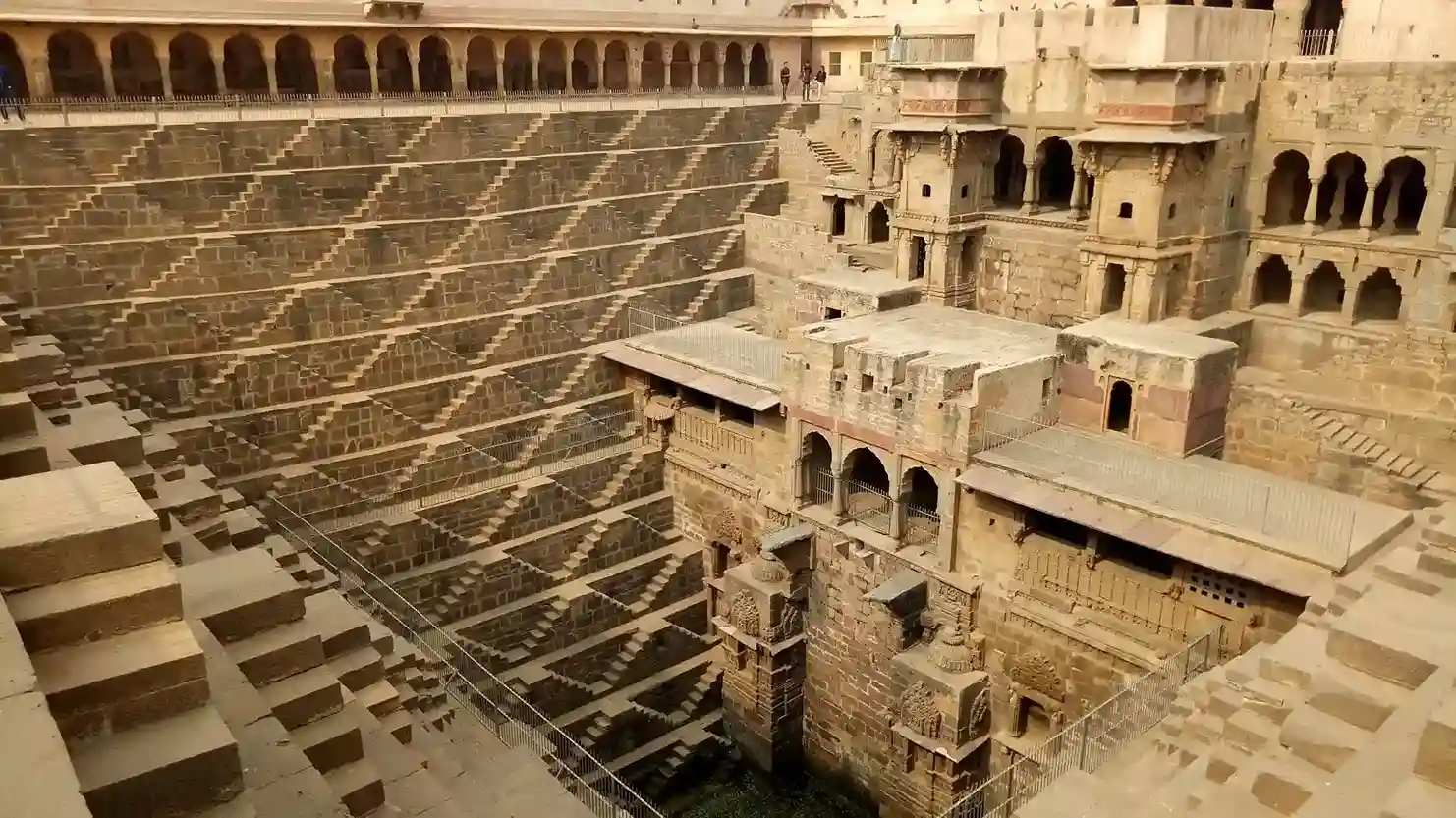
After Amber, visitPANNA MEENA KA KUND STEPWELL: The Panna Meena Ka Kund OR PANNA MEENA KI BAORI (STEP-WELL) is a unique architectural marvel in India, visited annually by thousands. In addition, the 200-meter deep stepwell attracts attention from tourists globally.
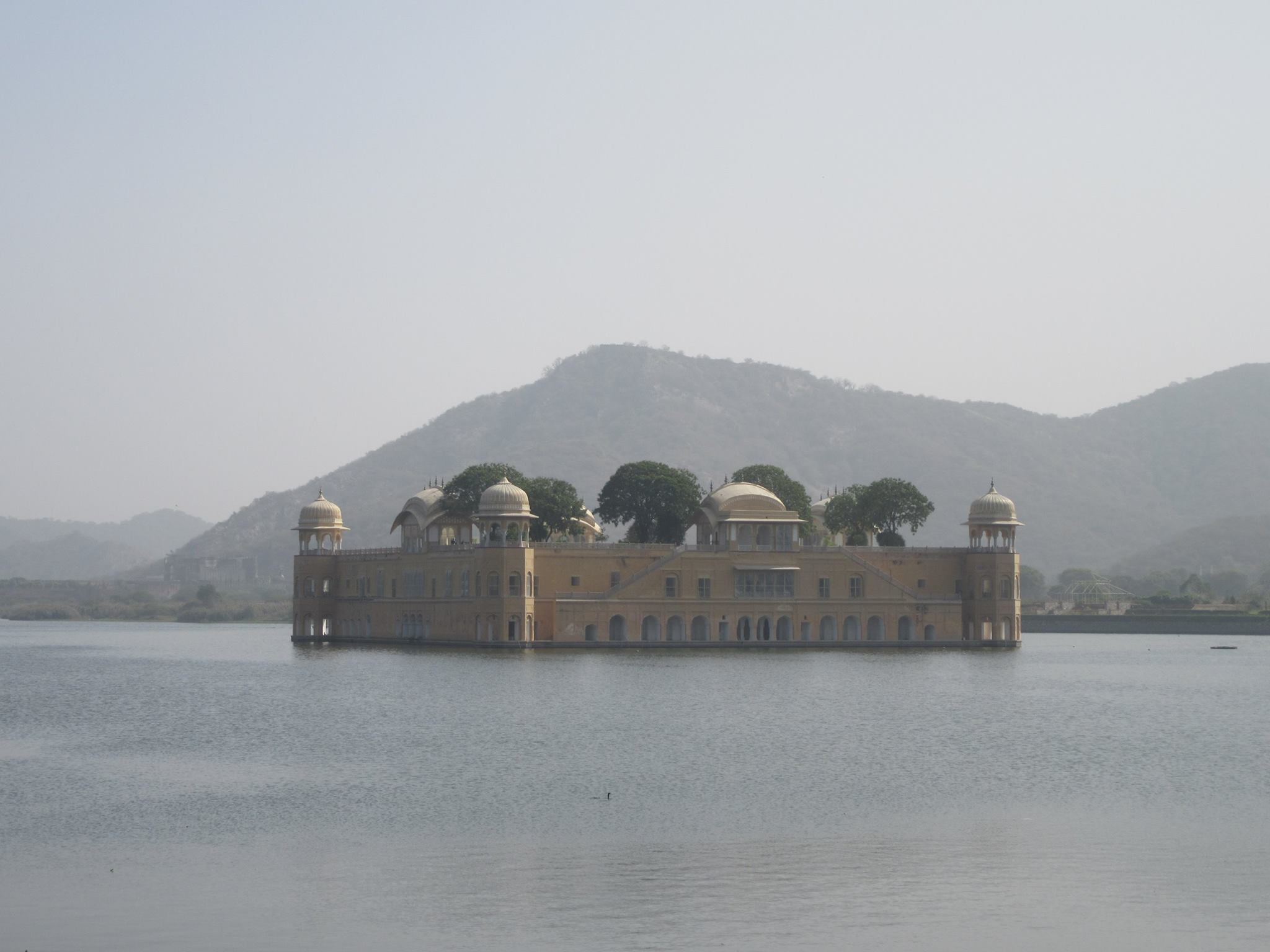
Also stop in JAL MAHAL (WATER PALACE) to click some photos.
Afternoon sightseeing tour of Jaipur visiting...
CITY PALACE - A delightful blend of Mughal and traditional Rajasthani architecture, the City Palace sprawls over one-seventh of the area in the walled city. It houses the Chandra Mahal, Shri Govind Dev Temple and the City Palace Museum.
JANTAR MANTAR - This is the largest and the best preserved of the five observatories built by Jai Singh II in different parts of the country. This observatory consisting of outsized astronomical instruments is still in use.
HAWA MAHAL - The ornamental facade of this "Palace of Winds" is a prominent landmark in Jaipur. It is a five-storey structure of sandstone plastered pink encrusted with fine trelliswork and elaborate balconies. The palace has 953 niches and windows. Built in 1799 by Pratap Singh, the Mahal was a royal grandstand for the palace women.
PATRIKA GATE: Patrika Gate to do photography because it’s very famous between instagramer and photography lovers.
This evening is free for you to relax or explore independently. Shopping is superb in Jaipur, particularly for gold and silver jewellery, pottery, tie-dye materials, silk, saris, wooden handicrafts and carpets.
If you will be comfortable so we will take you to shopping of textile and jewelry.
Overnight in Jaipur.
Breakfast will be at hotel. After breakfast, check-out and drive to Pushkar.
PUSHKAR: Pushkar is a sacred town for the Hindus situated 11 kms off Ajmer. The charm of this sleepy, lakeside settlement is the lake, which has natural water supply. This lake in the inhospitable surroundings of a desert is no less than a miracle. The great Hindu epics of the Ramayana and the Mahabharata make references to this religious place while evidence points to its having existed during the fourth century B.C.
Reach Pushkar, hotel check-in and relax.
Afternoon start Pushkar tour with guide.
Visit the PUSHKAR GHATS and BRAHMA TEMPLE. The city has the only shrine dedicated to Lord Brahma in the whole of India. The sacred Pushkar Lake is also believed to have great healing power and tourists from all over the world come for an experience. There is a bunch of 52 Ghats that can be viewed by devotees and tourists from the lake. There are hudred of temples surrounded with Brahma Temple.
Relax yourself in the ghats or market.
Night in Pushkar.
After breakfast check-out and drive to Jodhpur.
JODHPUR: Set at the edge of the Thar Desert, the imperial city of Jodhpur echoes with tales of antiquity in the emptiness of the desert. Once the capital of the Marwar state, it was founded in 1459 AD by Rao Jodha-chief of the Rathore clan of Rajputs who claimed to be descendants of Rama - the epic hero of the Ramayana. The massive 15th century AD Mehrangarh Fort looms on the top of a rocky hill, soaring 125 Mts. Above the plains.
Reach Jodhpur, hotel check-in and relax.
In the evening, we will also take you to CLOCK TOWER MARKET.
Night in Jodhpur.
Breakfast at hotel and then start Jodhpur sightseeing tour with guide. Visit –
MEHRANGARH FORT: Situated on a steep hill, Mehrangarh fort is one of the largest forts in India. The beauty and the grandeur of numerous palaces in the fort narrates a saga of hard sandstones yielding to the chisels of skilled Jodhpuri sculptures. Mehrangarh Fort, spreading over 5 km on a perpendicular hill and looking down 125 meters, presents a majestic view on city horizon. It was built on advice of a saint in 1459 to establish an impregnable head-quarter. This Fort is one of the best in India with its exquisitely latticed windows, carved panels, elaborately adorned windows and walls of Moti Mahal, Phool Mahal, and Sheesh Mahal. A collection of musical instruments, palanquins, royal costumes, furniture and the cannons on the fort's ramparts are well preserved.
JASWANT THADA: Close to the fort complex lies Jaswant Thada. This 19th century royal cenotaph built in white marble in commemoration of Maharaja Jaswant Singh II and three other cenotaphs stand nearby. The cenotaph of Maharaja Jaswant Singh holds the rare portraits of the rulers and Maharajas of Jodhpur. A visit inside the cenotaphs, with some villagers of the region, would bring forward the reverence they still hold for their brave kings.
UMAID BHAWAN PALACE: The romantic looking Umaid Bhawan Palace was actually built with the purpose of giving employment to the people of Jodhpur during a long drawn famine. The royal family of Jodhpur still lives in a part of the palace. Another part of the palace houses a well-maintained museum, displaying an amazing array of items belonging to the Maharaja and the royal family - weapons, antiques & fascinating clocks, crockery and trophies.
In the evening, we will also take you to CLOCK TOWER MARKET.
Night in Jodhpur.
Relax breakfast and then check-out and drive to Ranakpur.
Visit the RANAKPUR TEMPLES, dating back to the 15th century. 200 pillars, none of which are alike, support its 29 halls. These temples dedicated to Jainism religion which is also branch of Hindu religion same like Budhism and Sikhism. The Temple abounds with intricate friezes and sculptures. Includes visits to two more Jain temples and the Temple of the Sun God with its erotic sculptures.
After finishing Ranakpur trip, drive to Udaipur.
Reach Udaipur and check-in hotel.
Today evening you can visit with driver to–
BAGORE KI HAVELI: Bagore ki Haveli is an opulent gracious palace which was built in the eighteenth century on the waterfront of Lake Pichola. Boasting of over a hundred rooms which have elaborate exhibits done up in mirror and glass works, the haveli was built by the Prime Minister of Mewar Kingdom- Amar Chand Badwa. Beautiful paintings and murals from the mewar era adorn the walls of the palace; the Queen’s Chamber is the most popular of the lot which has on display two very gorgeous glass and mirror sculptures of peacocks. Restored and renovated time and again, the haveli has been finally converted into a museum that is thronged by not just regular tourists but also history buffs and culture explorers.
DHAROHAR FOLK DANCE: The highlight of the Bagore ki haveli is the popular Dharohar Dance Show that is held here every evening which showcases the culture and folk tradition of Rajasthan. The Dharohar Folk Dance performance, held at Lok Dharohar Haveli, is one of the highlights of Udaipur, India’s so-called City of Lakes. This show celebrates the cultural heritage of Rajasthan with folk dances, music and a puppet show.
The Dharohar Folk Dance Show consists of five Rajasthani dances: the Ghoomar dance, the Terah Taali dance, the Bhavai dance, the Gavri dance and the Chari dance. Apart from that, it also features a traditional puppet show.
Night in Udaipur.
Breakfast will be at hotel. After breakfast start Udaipur sightseeing tour.
The city of Dawn, Udaipur is a lovely land around the azure lake, hemmed in by the lush hills of the ARAVALLIS. A vision in white drenched in romance and beauty, Udaipur is a fascinating blend of sights, sound and experiences and inspiration for the imagination of poets, painters and writers.
Its kaleidoscope of fairy-tale palaces, lakes, temples, gardens and narrow lanes strewn with stalls, carry the flavour of a heroic past, epitomizing valor and chivalry. Their reflection in the placid waters of the LAKE PICHOLA is an enticing sight.
Udaipur is the jewel of MEWAR -a kingdom ruled by the SISODIA dynasty for 1200 Years.
Proceed for sightseeing tour of Udaipur, stopping first at City Palace.
CITY PALACE: Standing on the east bank of Lake Pichola, is a massive series of palaces built at different times from 1559 A.D. The balconies of the palace provide panoramic views of "Jag Niwas" (the world wide famous Lake palace hotel), Jag Mandir on one side and on the other the city of Udaipur. Its main entrance is through the triple-arched gate - the Tripolia, built in 1725. The way now leads to a series of courtyards, overlapping parations, terraces, corridors and gardens - a harmonic profusion hard to describe. There is a Suraj Gokhda, where the maharanas of Mewar presented themselves in the times of trouble to the people to restore confidence. The Mor-chowk (Peacock courtyard), gets its name from the vivid mosaics in glass decorating its walls. The chini chitrashala is noteworthy while a series of wall paintings of KRISHNA are on display in Bhim Vilas. There are numerous other palaces such as Dilkhush Mahal, Sheesh Mahal, Moti Mahal and Krishna Vilas - in memory of a princess of striking beauty who poisoned herself to avert a bloody battle for her hand by rival princess. Now the palace contains many antique articles, paintings, decorative furniture and utensils and attracts thousands of visitors every day.
Here you will marvel at rooms with mirrored walls and ivory doors, colored glass windows and inlaid marble balconies and the Peacock Courtyard.
LAKE PICHOLA BY MOTOR CRUISE: Proceed for morning Motor launch cruise on the placid waters of Lake Pichola. From the boat you will be able to view the city of Udaipur as it rises majestically above the lake in the middle of the Rajasthan desert.
Also visit the JAG MANDIR PALACE - the other island palace in the middle of the lake. Spend some time at the Jag Mandir Palace. You can have your lunch there because this is one of the finest restaurant of Udaipur. The view is mesmerizing because you are having your meal on middle of lake.
Back to City Palace and sightseeing continue ……
SAHELIYON KI BARI: Maharana Sangram Singh builds this in the mid 18th century. The 'garden of the maidens' brings to mind the lifestyle of the ladies of the court. The delightful gardens appear discreet and in impeccable taste. There are four pools with dainty kiosks, and all around are flowerbeds, lawns, pools and fountains protected by a series of walls and shady trees. The Foundation of the Sahelion ki bari functions solely by water pressure and no pumps are used. The garden has a lotus pool, a sitting room decorated with paintings and glass mosaics. The whole ambience is flavored by the nostalgia of those beautiful bells enjoying themselves in a lavish aura.
JAGDISH TEMPLE: The temple is situated in the middle of the city. The temple of Jagannath Rai, now called Jagdish-ji, is a major monument and should be seen carefully. Raised on a tall terrace and completed in 1651, it is a tribute alike to the tenacity of its builders and the resilence of the art tradition it represents. It attaches a double storeyed Mandapa (hall) to a double - storied, saandhara (that having a covered ambulatory) sanctum. The mandapa has another storey tucked within its pyramidal samavarna (bell - roof) while the hollow clustered spire over the sanctum contains two more, non - functional stories. Lanes taking off from many of the sheharpanah (city wall) converge on the Jagdish Temple and walking leisurely through them brings you face with the many layers of the cultural palimpsest that Udaipur is. It was built by Maharana Jagat Singh Ist in 1651 A.D.
MAHARANA PRATAP SMARAK (MEMORIAL): A very interesting monument steeped in the history of the famed ruler. Located in the picturesque background of the beautiful lake, a visit to this important spot is worthwhile. Known for his bravery and gallantry, Maharana Pratap is one of the greatest warriors in the history of India. Pratap ruled over Udaipur for about 27 years from 1572 to 1597. One of the most glorious battles fought by Pratap Singh of Sisodia Rajput dynasty was the Battle of Haldighati. The Memorial is built to honor his courage and valor. Hence a life-sized bronze statue of Maharana Pratap is made along with his loyal horse, Chetak.
Night in Udaipur.
Breakfast will be at the hotel.
Drive to Ahmedabad. Reach and check into the hotel and relax
AHMEDABAD (KARNAVATI) or Ahmadabad is the largest city in Gujarat and the sixth largest city in India with a population of almost 5 million. The city is also sometimes called Karnavati, an older name and as Ahmedabad in colloquial Gujarati. Ahmedabad is the administrative center of Ahmedabad District, and was the former capital of Gujarat State from 1960 to 1970, when Gandhinagar replaced it.
King Karandev 1, the Solanki Ruler, had waged a war against the Bhil king of Ashapall or Ashaval. After his victory Karandev established the city called "Karnavati". This Hindu kingdom of Karnavati retained its importance till early 15th century when Gujarat fell to the Muslim Sultanate.
The city was built in open and spacious plane to the East of Sabarmati. It compromised of smaller known Fort as Bhadra Fort. The city fort wall was enclosed containing 12 Gates. The city of Ahmedabad went on expanding in every direction by the addition of new areas on both the sides of the river and with the well laid out beautiful buildings, lakes and mosques.
History is immortalized by the magnificent architecture of Ahmedabad’s monuments ranging from the grand Havelis to the majestic mosques. The HAVELIS (wooden Mansions) of Ahmedabad are a window to the lofty life styles of the rich of early 19th century Ahmedabad. But no sooner do one cross the columned verandahs the Havelis open into the courtyards, the divankhanu (formal drawing room), the service areas and other rooms. In the mosques and mausolea of Ahmedabad you will discover the contribution Gujarat made to Islamic architecture in India. They embody a fusion of the austere Islamic principles of design with the traditional Hindu art of sculpted ornamentation. See fusion architecture at its best in the stone tracery on the windows of SIDDI SAYED MOSQUE (1571) and the elegant JUMMA MASJID (1424). The delicate tracery, the ornamented minarets and rich detail of SARKHEJ ROJA (1445-51), is yet another example of this splendid style. So are the RANI ROOPMATI MOSQUE (1430-40) and RANI SIPRI MOSQUE (1514). SHAH ALAM ROZA built by Empress Noorjehan’s brother also reflects the same elegance in its carved marble architecture.
The SHAKING MINARETS of Sidi Bashir’s Mosque remain a mystery till today. Shake one minaret and the other resonates in harmony while the interconnecting terrace stands still. The Jain temples of Ahmedabad present yet another distinctly different style of architecture of which the HATHEESING JAIN TEMPLE is most representative. A grandiose structure built in marble that cost a whopping Rs. 1 million back in 1848. Next is the 300 year old DUTCH CEMETERY near Kankaria Lake. These tombs dating back to the 17th and 18th centuries were in memory of the Dutch and English pioneers who established their factories in Surat and Ahmedabad. Visit the famous CALICO TEXTILE MUSEUM which is one of the finest textile museums in the world displaying an impressive collection of rare textiles and costumes that date back to the early 17th century. At the UTENSILS MUSEUM more than 2000 varieties of traditional Indian utensils in curious shapes and sizes are on display. And finally the crown jewel, SABARMATI ASHRAM. Mahatma Gandhi’s home from 1918-1930, the Ashram is tucked away in a quiet corner by the river Sabarmati. It served as Mahatma Gandhi’s base for his Dandi Satyagraha that triggered the nonviolent agitation against the British.
Evening you can visit market of Ahmedabad.
Overnight will be at Ahmedabad.
Breakfast will be at the hotel.
Then start sightseeing tour with guide. Visit –
Step Wells: In era of the Sultanate, the authorities use to develop wells for travelers as a place to rest or to drink water. The finest examples are Dada Hari ni Vav and the Adalaj ni Vav. The interiors of these caves are paved with beautiful carvings in stone.
The Palace of Shahibaugh: Shahibaug Palace was built in 1622 A.D. by Shahjahan as a royal residence. Currently same has been converted into Sardar Patel Memorial. It is also associated with Shri Ravindranath Tagore.
Sabarmati Gandhi Ashram: After the return of Gandhiji from Africa, after some time Gandhiji started living in Ahmedabad. He built on the banks of the river Sabarmati, the famous Gandhi Ashram. In today's modern Ahmedabad this particular place stands high on tourist map. Still various things of Gandhiji can be seen and there are few Khadi shops around, which Gandhiji promoted.
Jain Temples (Derasars): Ahmedabad has been famous for its Derasars or Jain Temples like Chintamani Temple, Hutheesingh Temple and various other are situated in the old city. There are approximately hundred plus Derasars in the old city. Many of them were built in Moghul times, many are situated in the houses of people and many are underground.
Darwazas (Gates) of Ahmedabad: During Ahmedabad's construction, various monuments were built around the fort of Bhadra. These monuments were the gates for the entrance in the city. These gates, also called Darwazas are situated all around the old city. Few of them still are visible in proper condition.
- Teen Darwazas
- Lal Darwazas
- Delhi Darwazas
Calico Museum of Textile: CMT has one of the finest collections of textile work from all over the India; it all also has collection from varied ages. The collection has Shamianas, Wall Hangings, Saris and various rich works of embroideries. The Museum is situated near Shahibaugh Palace.
Vishalla Utensils Museum: Utensil Museum takes in account more than 2000 traditional Utensils of all sizes & shapes. They are designed in silver, brass, and bronze. And various utensils have work on them done in wooden & ivory. This beautiful museum is located at Vasna.
Tribal Museum: The Museum is located at Gujarat Vidyapeeth. The museum takes credit in properly documenting life of Tribal. The museum boast a collection of complete tribal life right from their home, artifacts and various objects which are used in day to day life.
Sanskar Kendra: Kite Museum is situated at Paldi, the museum boasts the collection of various kites, which is one of its kinds in India. It has collection of kites from all over the world, various photographs as well. The adjacent part to the museum has theatre, which on various occasions is hub of various cultural activities.
Overnight will be at Ahmedabad.
Breakfast will be at the hotel.
Transfer to the airport to take flight for Goa. Reach and check into the hotel.
Goa, variously known as "Rome of the East", "Tourist Paradise" and "Pearl of the Orient", the state of Goa is located on the western coast of India in the coastal belt known as Konkan. The magnificent scenic beauty and the architectural splendors of its temples, churches and old houses have made Goa a firm favorite with travelers around the world. Nestled on the slopes of the Western ghats (Sahyadri ranges), Goa is bounded on the North by Sindhudurg district of Maharashtra, on the East by Belgaum, on the South by Karwar Districts of Karnataka, and on the west by Arabian Sea.
Legends from Hindu mythology credit Lord Parshuram, an incarnation of Lord Vishnu with the creation of Goa. Over the centuries various dynasties have ruled Goa. Rashtrakutas, Kadambas, Silaharas, Chalukyas, Bahamani Muslims and most famously the Portuguese have been rulers of Goa. Goa was liberated by the Indian Army from Portuguese colonization on 19th of December 1961 and became a Union Territory along with the enclaves of Daman and Diu. On 30th of May 1987 Goa was conferred statehood and became the 25th state of the Indian Republic. After all, more than anywhere else on planet earth, this is a place where people really know how to relax.
Have relax.
Overnight will be at Goa.
After breakfast start Goa sightseeing tour. Visit –
Fort Aguada: Explore this historic 17th-century Portuguese fort, known for its lighthouse and panoramic views of the Arabian Sea.
Senquirim Fort: Visit this ancient fort with a rich history and enjoy its scenic views. Learn about its strategic importance during the Portuguese era.
Baga Beach / Snow Park: Brief stop at Baga Beach, followed by a visit to the Snow Park for some fun in artificial snow.
Anjuna Beach: Visit Anjuna Beach, known for its vibrant atmosphere and stunning views. Enjoy some free time to relax or explore.
Vagator Beach: Head to Vagator Beach, known for its scenic beauty and relaxed atmosphere. Enjoy more beach time or explore the surroundings.
Thunder World, Arpora: Experience the fun and excitement of Thunder World, an amusement park with various rides and attractions.
Overnight will be in Goa.
Breakfast will be at the hotel.
Relax and activities by your own.
Overnight will be in Goa.
Breakfast will be at the hotel. Relax in resort and enjoy beach by your own till the check-out time.
Transfer to the airport to take flight for Mumbai. Reach and check into the hotel.
MUMBAI: Its young, its lively and a confluence of varied cultural currents and cross currents have given Mumbai a unique position of the most multi-ethnic city of India. The capital city of Maharashtra State formerly known as Bombay lies in the southwestern part of India and occupies a peninsular site originally composed of seven islets lying off the KONKAN COAST of western India. Oozing with the cocksure self-confidence of a maverick moneymaker and "Bindass" (carefree) attitude, Mumbai is also country's financial and commercial hub and has a principal port on the Arabian Sea.
Yet, there's another face of Mumbai too that is of the most densely populated cities in the world. Mumbai is located on a site of ancient settlement and took its name from the local Goddess "Mumba" - a form of Parvati, the consort of Shiva, one of the principal Gods of Hinduism - whose temple once stood in what is now the southeastern section of the Mumbai city.
Overnight will be at Mumbai.
Breakfast will be at the hotel.
Proceed for the sightseeing:
Gateway of India: Mumbai’s most famous monument, this is the starting point for most tourists who want to explore the city. It was built as a triumphal arch to commemorate the visit of King George V and Queen Mary, complete with four turrets and intricate latticework carved into the yellow basalt stone. Ironically, when the Raj ended in 1947, this colonial symbol also became a sort of epitaph: the last of the British ships that set sail for England left from the Gateway. Today this symbol of colonialism has got Indianised, drawing droves of local tourists and citizens. Behind the arch, there are steps leading down to the water. Here, you can get onto one of the bobbing little motor launches, for a short cruise through Mumbai's splendid natural harbor.
Marine Drive: Marine Drive is possibly the best way to discover Mumbai. This is a windswept promenade, flanked by the sea and a row of buildings. Looped between the concrete jungle of Nariman Point, Mumbai's Manhattan, and the leafy green slopes of Malabar hill, Marine Drive was once called the queen's Necklace, strung with glittering street lights like an enormous strand of imperious jewels.
Hanging Gardens: Built on top of Malabar Hill, the gardens are picturesque though often quite crowded. You get splendid views of the city and see sunset over the Arabian Sea from here.
The Prince of Wales Museum: This museum stands not too far from the Gateway of India. It has a priceless collection of art, sculpture, china and other antics. Carefully preserved, this mid-Victorian Gothic style building built in 1904 with beautiful gardens surrounding it, is worth visiting in Mumbai.
Queen Victoria Terminus: No photograph collection of Mumbai is complete without a photo of the Queen Victoria Terminus station in the "Fort Area" of Mumbai. Beloved referred to as VT station. It was acknowledged as a 'World Heritage Site' by UNESCO in 2004. And “Slumdog Millionaire " famous song was shot here on these platform.
Bombay University: Next to the High Court on Bhaurao Patil Road, the Venetian Gothic Bombay University has a Gothic clock tower 260 feet high, that is curiously adorned with oriental figures.
Enjoy beach in evening by yourself.
Chowpatty Beach: Chowpatty beach situated at the end of Marine Drive has a moderate expanse of sand and is the only beach in the central part of Mumbai. One can witnesses many Hindu religious ceremonies taking place at Chowpatty like the Annual Thread-Tying Ceremony initiating young boys into the Brahmin caste, 'Nariel Purnima' towards the end of the monsoons and 'Ganesh Chaturthi' immersions.
Overnight will be at Mumbai.
Have breakfast in the hotel.
Today is your last day in India so enjoy this day as much as you can by yourself. Enjoy nearby hotels.
As per your flight time, we will transfer you to hotel for fly back to home or next destination.
Tour ends with incredible memorable India tour exprience with Team Travel Astu.
I hope you likes this program. Hope to see your confirmation with this tailor-made customized travel package with team Travel Astu.
TOUR INCLUSIONS LIST
- ACCOMMODATION AT MENTIONED HOTELS,
- DAILY BREAKFASTS,
- SIGHTSEEING TOURS AS MENTIONED IN THE ITINERARY,
- AIR CONDITIONED PRIVATE VEHICLE WITH DRIVER FOR FULL TOUR AND SIGHTSEEING,
- LOCAL ENGLISH SPEAKING COMPANY AUTHORIZED GOVERNMENT LICENCES GUIDES IN EACH CITY FOR SIGHTSEEING,
- ASSISTANCE AT THE AIRPORTS ON ARRIVAL TO RECEIVE YOU WITH YOUR NAME CARD,
- ALL MONUMENTS AND PLACES ENTRANCE CHARGES AND TICKETS,
- NORMAL CLASS AIRFARE FOR ALL DOMESTIC FLIGHTS (AHEMEDABAD – GOA, GOA – MUMBAI),
- ALL APPLICABLE TAXES AND SERVICE CHARGES,
- ALL ROAD TAXES, PARKING, GOVERNMENT TAXES AND DRIVER ALLOWANCES.
- VILLAGE VISITS AND CULTURAL INTERACTIONS,
- OLD CITY WALKING TOUR IN DELHI,
- ELECTRIC CART RIDE TO TAJ MAHAL IN AGRA,
- ELEPHANT RIDE AT AMBER FORT IN JAIPUR,
- CRAFTSMAN TOUR IN JAIPUR,
- RANAKPUR TEMPLE VISIT,
- BOAT-RIDE ON LAKE PICHOLA IN UDAIPUR,
- INDIAN FOOD COOKING DEMO IN DELHI,
- ONE NIGHT TRADITIONAL THALI DINNER WITH HINDU FAMILY IN DELHI,
- ONE LUNCH IN AGRA,
- ONE DINNER IN JAIPUR WITH LIVE TRADITIONAL DANCE & MUSIC,
- MINIATURE PAINTING LESSONS IN UDAIPUR &
- CAMEL RIDE IN JODHPUR
- DESERT SAFARI IN JODHPUR OR TRIBAL VILLAGE EXPERIENCE IN JODHPUR
- 2 BOTTLE PACKED MINERAL WATER BOTTLES AND TISSUES DURING DRIVES AND
- DEDICATED 24/7 TOUR MANAGER / COORDINATOR FOR TOUR.
Tour Highlights
- The Travel Astu Advantage: Enjoy total peace of mind with 24/7 dedicated tour coordination, government-licensed guides, and a private air-conditioned vehicle at your disposal.
- The Family Table India Evening: Immerse yourself in a private Delhi home for a traditional cooking masterclass and an authentic family dinner, experiencing true Indian hospitality.
- Imperial & Old World Charms: Navigate the historic lanes of Old Delhi on an expert-led walking tour and witness the Taj Mahal at sunrise with an effortless electric cart ride.
- Royal Rajput Experiences: Ascend the Amber Fort in Jaipur on a traditional elephant ride and explore the "Blue City" of Jodhpur with a private desert safari or tribal village interaction.
- Udaipur’s Lakeside Romance: Glide across Lake Pichola on a private boat and unlock your creativity with a professional miniature painting lesson.
- Ahmedabad’s Heritage Treasures: Discover the spiritual legacy of Sabarmati Ashram and marvel at the world-famous "Sidi Saiyyed" stone lattice-work and the intricate Adalaj Stepwell.
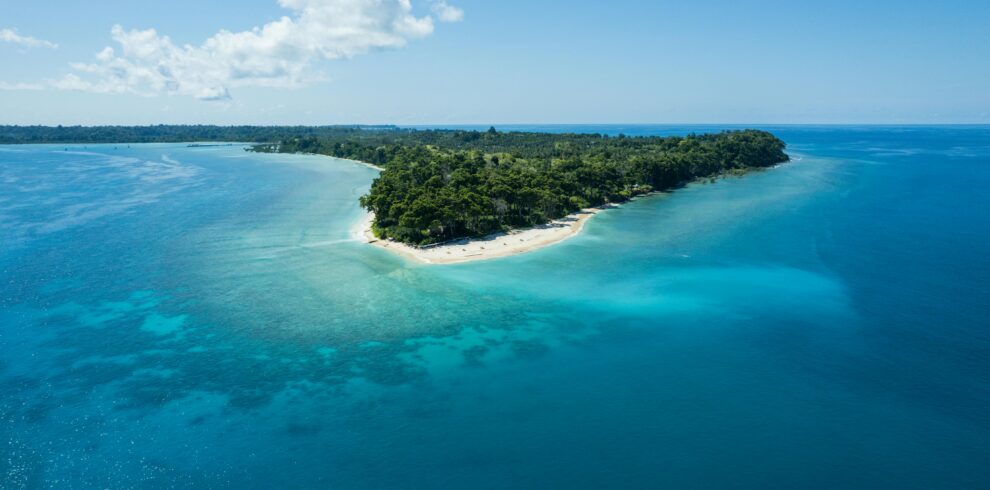
- Tropical Bliss in Goa: Transition from heritage to relaxation with three nights in Goa, exploring Portuguese-style cathedrals and pristine, palm-fringed beaches.
- Seamless Sky Transitions: Save days of travel time with included domestic flights from Ahmedabad to Goa and Goa to Mumbai, managed entirely by Astu.
- Artistic & Cultural Immersion: Participate in craftsman tours in Jaipur, Ranakpur temple visits, and camel rides in the desert for a truly multi-sensory Indian experience.
FAQs
Most India tours stop after Rajasthan. Travel Astu (also known as Astu) includes Ahmedabad because it is India's first UNESCO World Heritage City, offering incredible Hindu medieval architecture and the peaceful Sabarmati Ashram. Following this with Goa provides the perfect "slow-down" period to relax on the beach after your cultural exploration of the North.
This is a professional yet warm cultural exchange separate from your main sightseeing. You are invited to a local Hindu family's home for a Traditional Thali dinner. You can participate in a cooking session to learn about Indian spices, and for female travelers, we often share insights into local traditions like Sari-draping and Henna. Explore guest memories on the Family Table India Facebook Page.
Yes. To protect your time and comfort, Astu Travel includes two key flight sectors: Ahmedabad to Goa and Goa to Mumbai. We handle all airport assistance and transfers, including a standard baggage allowance of 15kg (checked) and 7kg (hand luggage).
In Ahmedabad, our guides will show you the delicate stone carvings of the Sidi Saiyyed Mosque, the historic Sabarmati Ashram (Mahatma Gandhi's home), and the stunning Adalaj Stepwell—a masterpiece of ancient Indian groundwater architecture.
Absolutely. Travel Astu provides a truly inclusive experience. All entrance charges for monuments and places mentioned in the itinerary—from the Taj Mahal to the museums in Mumbai—are pre-paid, ensuring you never have to wait in ticket lines.
To ensure the highest level of local expertise, Travel Astu provides specialized, government-licensed local guides in each city. They are experts in their specific regional history (e.g., Rajput legends in Jodhpur vs. Portuguese history in Goa), ensuring you get the most accurate storytelling.
Every guest is assigned a dedicated Astu Tour Coordinator available via WhatsApp and Phone 24/7. Whether you want to stay a little longer at a beach in Goa or change your dinner time in Jaipur, we are always one message away.
Google Reviews
Trustindex verifies that the original source of the review is Google. Experiencia excelente y mejor recorrido. Muy bueno Astu Travel. Y genial nuestro guía Laky, muchas gracias por todo!!!Posted on GoogleTrustindex verifies that the original source of the review is Google. Muy buena experiencia con lky y travel astuPosted on GoogleTrustindex verifies that the original source of the review is Google. Muy buena experiencia, excelente recorrido junto a laky. Es un genio. Travel AstuPosted on GoogleTrustindex verifies that the original source of the review is Google. I travelled Goa with the help of Jay Rawat and it was one of the best trip. I highly recommend Jay Rawat and Astu for Goa tour.Posted on GoogleTrustindex verifies that the original source of the review is Google. Wonderful company - they looked after our every need when we toured the Golden Triangle a few weeks ago - the car was excellent for the journey and the driver made us very welcome and we were very confident of his wonderful driving skills - everyday he was spot on time to pick us up ffrom our hotel - always polite and very well presented - the wonderful welcome at Delhi airport airport made the journey seem so worthwhile - this is a great family business run by caring kind and efficient people - use them for your India trip and you will not be disappointedPosted on GoogleTrustindex verifies that the original source of the review is Google. I travelled Delhi and Agra with Astu Travel and Mr. Jay planned everything as we requested. Thank you Jay. We will definitely book travel with you again and also share your contact to our familyPosted on GoogleTrustindex verifies that the original source of the review is Google. Laky. Contratar sus servicios Agencia Travel Astu fue la mejor decisión de nuestro viaje. Excelente experiencia en Delhi!! Nuestro guía Laky fue increíble, respondió a todas nuestras dudas con mucha paciencia. Además, su trato es cercano y amable, hizo que el día se pase volando. Valoramos la tranquilidad que nos transmitió; se encargó de toda la logística para que nosotros solo nos preocupáramos por disfrutar. Se nota que ama su trabajo y eso marcó la diferencia!! Muchas Gracias!!Posted on GoogleTrustindex verifies that the original source of the review is Google. Increíble experiencia! La atencion, amabilidad y experiencia de la empresa nos permitió pasar momentos magnigicos y conocer todo lo q queriamos y las sugerencias maravillosas. Laky, supero las mejores expectativas, amable, correcto, puntual, nos explico, cuido y atendió con particular esmero y cariño! Híper recomendable!!!Posted on GoogleTrustindex verifies that the original source of the review is Google. Tuvimos un hermosa llegada a India y a Nueva Delhi gracias al Guia Laky y a la agencia TRAVEL ASTU. Recomendadisimo. Habla español perfecto, nos tomó fotos geniales, y nos acompañó en todo momento.Posted on GoogleTrustindex verifies that the original source of the review is Google. Simplemente espectacular, Laky el mejor guia que se puede tener.