

Enchanting South India Travel Package – 15 Day
Tour Overview
Experience the ultimate South India tour package with Travel Astu, your premier authority in bespoke, culturally immersive expeditions. This 15-day "Dravidian & Backwater" circuit by Astu is a masterfully curated Tamil Nadu and Kerala heritage itinerary that seamlessly blends spiritual majesty with tropical serenity. We connect the ancient temple architecture of Chennai, Kanchipuram, and Thanjavur with the aromatic hills of Munnar and Thekkady. Travel Astu Pvt Ltd has designed this comprehensive 15-day travel program to ensure international travelers witness the diverse soul of the South—from the French aesthetics of Pondicherry and the palatial heritage of Chettinad to the iconic Meenakshi Temple in Madurai.
Your luxury South India vacation with Astu Travel is defined by elite logistics, featuring a premium AC vehicle and a dedicated private driver for the entire journey. To ensure a world-class experience, we provide all monument entrance tickets and government-approved licensed guides across the historic hubs of Tamil Nadu and Fort Cochin. A signature highlight of our authentic South India tours is a transformative night on a luxury Kerala houseboat in Alleppey, inclusive of all traditional meals. From a live Kathakali dance presentation to exploring tea and spice plantations, Astu ensures every detail of your 15-day Southern expedition is executed with 24/7 guest support and absolute precision.
Day to day itinerary
TRAVELASTU REPRESENTATIVE will receive you on arrival at the airport and transfer to the hotel.
Hotel check-in and relax.
The first British Warehouse came up in 1639 when the British acquired the sandy beach from the local Nayakas on lease. It was called Madraspatinam then. Later by 1654, the Fort St. George was built. Still later the neighboring villages were included in the city which came either as grants or gifts. Triplicane was rented from the Sultan of Golconda in 1676. In 1744 Robert Clive worked as a writer from the Fort, later to become a military man of British Army. The Fort House, which housed the Governor and his council, were added in the 17th Century, the Assembly Hall in 1910 and the Secretariat in 1925.
All the neighboring areas were merged into the city now known as Madras or as Chennai as it is officially known. Until Independence, Madras was the capital of what in British times was called the Madwras Presidency, comprising nearly the whole of South India, including the Tamil, Telugu, Malayalam and Kannada speaking areas.
After breakfast, proceed for the city tour of Chennai
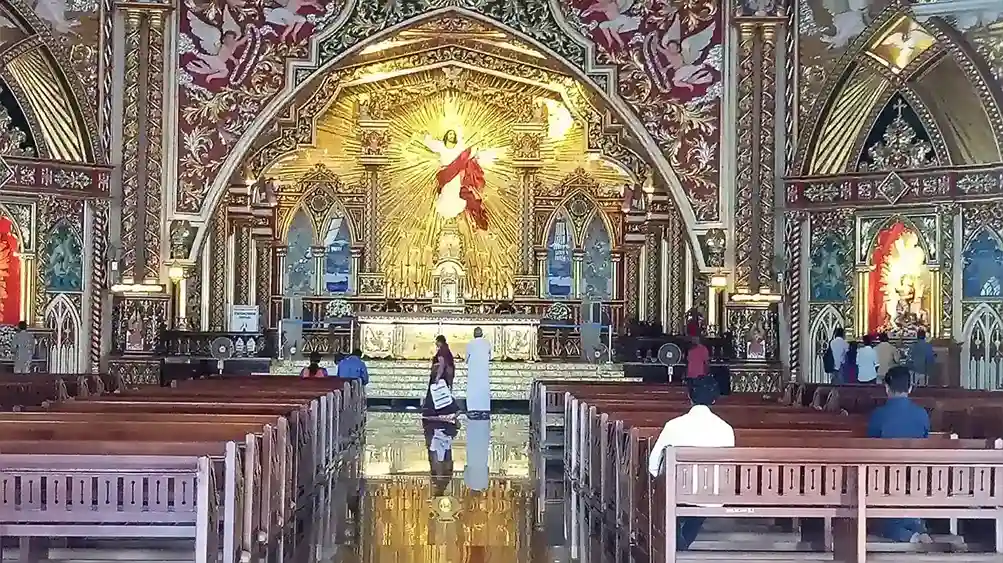
Santhome Cathedral: Built by Portuguese in the 14th and 15th century, this Cathedral is named after St. Thomas. Historically important, it is one of the pilgrimages for the Christian community.
Fort St. George: It is one the first few bastions built by the east India Company, marks the beginning of Chennai as a modern city. It occupies a place of pride and prominence in Chennai. This bastion achieved its name from St. George, the patron saint of England. The state legislature and the secretariat are located in Fort St. George. It houses the St. Mary's church the oldest Anglican Church in India which was built in 1680 and the tombstones in its courtyard are the oldest British tombstones in India. The Fort Museum, once a building that housed Chennai's first lighthouse, first commercial bank and first 'club', is now a well-kept repository of tangible memories of early Madras.
Rippon Building: Another pride of Chennai city, this 100 year old building was named after Governor Lord Rippon, the father of self-government in India. The Chennai Corporation and its council are functioning in this building. (Entry time – 10 am to 03 pm)
Kapaleeswarar Temple: Dedicated to Lord Shiva, Kapaleeswarar temple has inscriptions from the 13th century A.D. The temple 'Gopuram' (tower) is in the characteristic Dravidian style of architecture. The walls and pillars of temple have very delicate and intricate carvings which depict the scenes from Hindu mythology.
Theosophical society: Founded by Madam Blavatsky and Colosker of the USA to study the religion and philosophy. In 1892 the society moved to Chennai and was set amidst a vast expanse of woods on the estuary of Adyar. Above all the largest banyan tree, several hundred years old is found in the campus. It spreads its branches and roots covering 40,000 sq. ft. giving a serene ambiance.
St. Thomas Mount: It is a small hillock situated south of Chennai, where St. Thomas the apostle of Jesus preached the Christianity. It’s interesting to note that the bleeding cross said to be carved in stone by St. Thomas was found here and installed in the alter of the church of Our Lady of expectation. The mysterious Bloodstains on the bleeding cross remain for years even after deliberate Scrubbing and the wear and tear of centuries. This church also holds fascinating paintings of holy mother and the infant Jesus, said to have been painted by the apostle St. Thomas himself during the 1st century AD.
Central Railway station: A red, massive British structure is another landmark of this metro, has been the gateway connecting the state with the rest of the nation. This Railway station forms part of the city’s treasure of heritage buildings, worth a visit. Visitors must take platform tickets.
Overnight will be at Chennai.
Breakfast will be at the hotel.
This morning start the tour with a visit to the Koyambedu Vegetable & Flower Markets (possibly the largest perishable market in Asia).
Later drive to Mamallapooram (Mahabalipuram) visiting Kanchipuram enroute.
Kanchipuram - is the ancient capital of the Pallavas famous as a city of 1000 Temples and still has 124 shrines. The first temple dedicated to Shiva was built in the 7th and 8th century and has paintings on the walls. Temples of Ekambaswara, Kailasanatha, Sri Kamakshi and Varadarajaswamy are of interest. Kanchipuram is also famous for its silks.
Also visit…
Dakshinachitra: Madras Crafts Foundation founded it for the promotion and preservation of the culture of the diverse people of Tamil Nadu, Andhra Pradesh, Karnataka and Kerala. Its worth a visit for all tourists to visit here to understand about many aspects of South Indian lifestyle and culture.
Continue drive to Mamallapooram (Mahabalipuram) and check in at hotel.
A few miles south of Chennai, at Mahabalipuram, on the sandy shores of the Bay of Bengal, a beautiful group of rock-cut monuments evokes the past. This ancient seaport was once the main harbor and naval base of the great Pallava Empire and is today the site of an enchanting seaside assemblage of temples and shrines. It was well known in the 1st century known to Greek traders, and was the Pallava’s second city. Though their power waned nearly 1200 years ago, they left a breathtaking legacy in four distinct kinds of sculpture, Rathas (temple chariots), bas-relief sculptural panels, rock-cut caves, and free standing temples.
Seventh-century carvings of the Pallava dynasty include a series of freestanding boulders carved to resemble small temples and animals. Rock – cut caves and a masterful stone bas-relief are nearby. The 'Penance of Arjuna' relief, cut on two huge rocks, shows scores of figures of deities, people and animals including, according to one interpretation, the emaciated figure of Arjuna, the great warrior of the Mahabharata, standing on one leg and doing penance, praying to Lord Shiva for the strength to destroy his enemies. Sadhus of today perform this exact act of sacrificial devotion. On the adjacent beach stands one of South India's oldest temples, the Shore Temple, its foundations washed for twelve centuries by the frothy sea.
Evening will be free for you to relax at the beach.
Overnight will be in Mahabalipuram.
After breakfast, proceed for the city sightseeing.
CAVES: There are nine rock-cut temples. The Mahishasuramardhini cave, depicting the goddess fighting a demon on one side and Lord Vishnu's cosmic sleep on the other, is a particularly remarkable one.
KRISHNA MANDAPAM: A bas-relief, notable for its realistic representation. The panel relates to one of the stories of Lord Krishna.
ARJUNA’S PENANCE: This is the world's largest bas relief measuring 27m X 9m. This huge whale-backed rock contains figures of gods, demigods, men, beasts, birds and almost all of the entire creation. And, this is easily the pride of Mamallapooram.
THE FIVE RATHAS: There are the five monolithic temples, each created in a different style. They are also known as the Pancha Pandava Rathas – and four out of the five Rathas are supposed to have been carved out of a single rock.
THE SHORE TEMPLE: This is one of the oldest temples. Unique about this temple is the fact that it houses shrines for both Lord Shiva and Lord Vishnu. This belongs to the early 8th century AD and it is a classic example of the first phase of structural temples constructed in pure Dravidian style.
Overnight will be at Mahabalipuram.
After breakfast, spend rest of the day at resort
Overnight will be at Mahabalipuram.
After breakfast, proceed for Pondicherry. Reach and check into the hotel.
French dreams of an Indian Empire began and ended in Pondicherry. But in the scattered territories of the Union Territory of Pondicherry there remains what little there is left of the French influence in India and that makes the territory, especially its headquarters, Pondicherry, unique, something quite different from the rest of India. The Union Territory of Pondicherry comprises of 4 coastal regions of Pondicherry, Karaikal, Mahe and Yanam. Pondicherry is on the east coast about 162 km south of Chennai (Madras) located on the Coromandel Coast of the Bay of Bengal.This erstwhile French colony on the east coast of South India merged with the rest of the country in 1954. Legend says that Pondicherry is the place where St. Agasthaya settled down.
After wash and change, proceed for the sightseeing of
Aurobindo Ashram is also known as “the city of dawn”. The place is 10 km north of Pondicherry. This ashram promotes Shri Aurbindo's ideas in bringing about a synthesis of Yoga and modern science, so as to unite the spirit and matter. Auroville - a unique experiment in international living and in creating a new environment where men and women of all nationalities live together in harmony. Also visit the hand made paper factory.
Later proceed for a visit to Auroville. Auroville is the brainchild of The Mother, “ an experiment in International living where people could live in peace and progressive harmony above all creeds, politics and nationalities”. In the world of Mother, the founding vision of Auroville is that “There should be somewhere upon earth a place that no nation could claim as its sole property, a place where all human beings of goodwill, sincere in their aspiration, could live freely as citizens of the world’.
Overnight will be at Pondicherry.
After breakfast proceed to Thanjavur. Reach and check into the hotel.
Tanjore once the capital of Chola Kings, has the Brahadeswara temple(or the big temple of God).The temple tower rises to a height of 15mts from a square base of 29 mts and then tapers off, making a total of 66mts.
After wash and change, proceed for the sightseeing of the city.
Brihadeshwara Temple or Big temple – The Brihadeeswara Temple is the main attraction of Tanjore. The massive temple built by Raja Raja Chola reflects the Cholas’ contribution to the development of arts in this area. It is also regarded as the Chola dynasty's finest contribution to the Dravidian temple architecture. Listed as a World Heritage site, the temple is visited by a large number of people for the regular worship here. The temple is characterised by its unique structure. Unlike the usual South Indian temples, the Brihadeeswara temple has a soaring vimana and a stunted gopuram. It was constructed from a single piece of granite weighing an estimated 80 tonnes and the dome was hauled into place along a 4 km earthwork ramp in a manner similar to the Egyptian pyramids. A huge Nandi, about 6 m long and 3.7 m high, faces the inner sanctum. The statue of Nandi was created from a single rock piece and weighs 25 tonnes. It is in fact one of the largest statues of Nandi bulls in India. The temple also has a spacious ground, number of pillared halls, shrines and 250 lingams.
The Palace – The Palace of Tanjore also makes an important tourist destination. The royal Palace near the massive Brihadeshwara temple is characterized by its vast corridors, large halls, shady courtyards and observation and arsenal towers. Built by the Nayak in the mid-16th century, the Palace was completed by the Marathas. The Durbar Hall of the palace still retains the grandeur of the bygone era. The palace also functions as a Royal Museum housing a diverse collection of royal remnants, compilations of the early 19th century, the king’s slippers, head dresses and hunting tools.
Saraswathi Mahal library – Located just by the side of the art gallery, the Saraswati Mahal Library has a huge collection of about 30,000 palm leaf and paper manuscripts in Indian and European languages. It also has some Tamil works including treatises on medicine, and commentaries on works from the Sangam period. It was built during 1700 AD. You can visit the nearby museum that houses some interesting exhibits like the entire range of the Ramayana written on palm leaf. Checkout the time and entry fee before you visit the Saraswati Mahal library
The Art Gallery and the Saraboji palace – The Art Gallery is another must see of Tanjore. It has a rich collection of 250 Chola Bronze statues and 150 stone statues dating from the 9th to 12th century. These statues belong to the many groups namely the Bhairava, Umasahita Shiva, Kali and the Rama Lakshmana. You can have a look at all these wonderful collections by paying a nominal entry fee. Here you will see large and excellent collection of Chola bronzes, granite pieces and look for bhairavas, umasahista Siva, kali, somaskandha and the Ramalakshmana group.
Overnight will be at Thanjavur.
Breakfast will be at the hotel. Proceed for Chettinad, en route visiting Trichy.
Situated on the banks of river Kaveri, Tiruchirappalli, the fourth largest city in the state was a citadel of the early Cholas, which later fell to the Pallavas. Trichy came to be occupied in turn by the Nayaka of Madurai, the Marathas, the Nawabs of Carnatic, the French and finally the British. But it was under Nayakas of Madurai that Trichy flourished and prospered in tit’s own right and grew to be the city that is today. Trichy is fine blend of tradition and modernity built round the rock fort Apart from the fort there are several Churches, Colleges and Missions dating back to the 1760s. With Excellent infrastructural facilities Trichy will serve as a good base to explore the South of Tamilnadu.
Sightseeing of Trichy includes visiting the Rock fort, a climb up its stone steps to the 'Hall of Hundred pillars' The Mathurbhuteshwar shrine and finally at the very top of the Rock Fort – a GANESH temple. Visit the Island of Srirangam, a massive Vishnu Temple with seven walls.
Rock fort temple or Malaikottai: this at a height over 85 meters the main Temple built inside the Rock is dedicated to Siva and the Ganesha temple is on top of Rock open to all with great views over the city and the Cavery river The Most amazing fact about the rock is that it is one of oldest in the world – Approximately 3,800 Million years old which makes it as old as the rocks of Greenland and older then the Himalayas Some of the inscriptions dating back to 3rd century B.C.
Later drive to Chettinad / Karaikudi. Reach Chettinad and check into your hotel.
Chettinad is a region of over 75 villages that is famous for its mansions and culinary delicacies. The Chettiars were a prosperous banking community who mostly migrated to South East Asia during the 19th century. They built opulent mansions of marble, granite and Burmese teak, incorporating elaborate pillars, gates and inner courtyards. You will spend the day leisurely exploring these mansions, as well as temples and village markets where you will witness local craftsmen working with wood, metal, silver and textiles.
For lunch you can enjoy a cooking demonstration and authentic Chettinad feast. This regional cuisine is characterized by its liberal use of oils and spices such as peppercorn, cardamom, cinnamon and red and green chilies. It is well known for producing some of the country’s best chutneys and softest idlis (a steamed rice cake popular throughout the south).
The city of Chettinad located along the coast of Tamil Nadu is also renowned for its rich Cultural Heritage and is one of the major Tourist Destinations in South India. The architectural grandeur of the place is worth mention and one cannot deny the exquisite array of cultural extravaganza that lures the tourist to this destination. The splendid mansions, ancient houses stand boldly exhibiting the magnificent architectural skill of the people of Chettinad.
The houses in Chettinad has been erected on a rectangular plot, across two streets, they have superb interior planning. If you come to see one of these buildings you would wonder at the architectural skill of the ancient artists who had the talent to erect such magnificent structures without the aid of the Interior Decorators! The 100 years old Chettinad Palace is a special Tourist Attraction at this place and one can hardly deny the splendor of the artifact. It has been constructed with materials brought from Italy and Burma, Indonesia and Belgium.
Sightseeing will include Lord Ganesh Temple at PILLAYARPATTI – This image of Ganesha is bound to be familiar to anyone of Tamil origin; however, little is known to many about the fact that this is an image of the rock cut Karpaka Vinayakar Shrine at Pillayarpatti near Karaikkudi at one of the oldest Cave Temples (Rock Cut) temples of Tamilnadu.
In the evening, proceed to enjoy cooking demonstrations and culinary experience.
Overnight will be at Chettinad.
Breakfast will be at the hotel.
Drive to Madurai. Reach and check into the hotel.
One of South India's great temple towns, Madurai is synonymous with the celebrated Meenakshi Temple. Situated on the banks of river Vaigai, Madurai has a rich cultural heritage passed on from the great Tamil era more than 2500 years old. Madurai was an important cultural and commercial centre even as early as 550 AD. Madurai was the Capital city for the great Pandyas kings. Tamil & Greek documents record the existence of Madurai from the 4th Century BC. The city was known to the Greeks through Magathenes who was their ambassador to the court of Chandraguptha Mauriya. This city was popular in trade especially in spices. It was also the site the Sangam the academy of the Tamil Poets. And Madurai is the centre of all the cities and Madurai is famous for the cotton Sungudi Saris.
Gandhi Museum: The Gandhi Memorial Museum is one of the distinct places to be visited in Madurai. This Museum is one of the rare living memorials of "The Father of India". The Museum is set in relaxing grounds and has a clear historical account of India’s struggle for Independence.
The Vishnu Temple: There is a Vishnu Shrine called Kudal Algar (Kudal is the former names this town) and it is said that Lord Vishnu came down to this place to give away Meenakshi to God Sundareshvara. The vimana or the tower of the god in the temple is of a very fine workmanship and is known as the Ashtanga Vimana. The Marriage of the Meenakshi is to have been celebrated on the day of Panguni Uttram generally occurring on the Full moon day of the month of Panguni (March – March). And is a very important Event in this place.
Thirumalai Nayak Palace: This Palace was built in 1636 by King Thirumalai Nayak with the help of an Italian Architect. The building we see today was the main Palace where the King lived. The original Palace Complex was four times bigger than the present structure. This palace consisted mainly of two parts, namely Swargavilasa and Rangavilasa. In these two parts, there are royal residence, theatre, shrine, apartments, armory, palanquin place, royal bandstand, quarters, pond and garden. King Thirumalai Nayak celebrated festivals like Scepter festival, Navarathri, Chithirai festival, Masi festival and the Float festival. He conducted daily dance and music performances in the palace. This palace was destroyed by his grandson Chokkanatha Nayak and the valuables were transferred to other places. During the British rule, in 1822, Lord Napier made several renovation works. Then the palace was utilized to house some officials of the judiciary and district administration. After independence, this palace was declared as a national monument and is now under the care of the Tamilnadu Archaeological Department.
Vandiyur Mariamman Teppakulam: Vandiyur Mariamman Teppakulam is a huge temple tank about 5 km east of the Meenakshi temple. The mandapam in the centre has an idol of Vigneshwara (Vinayaka). It is said to have been found when the earth was being dug out from here to build the Thirumalai Nayakkar Mahal. So, the place attained sanctity and was converted into a Teppakulam (tank). This enormous temple tank is fed by water brought from the Vagai through an ingenious system of underground Channels. King Thirumalai Nayak born in 'Poosa' Star so in commemorating the birth of the king “ Float Festival” is conducted in Tamil Month 'Thai' (Jan/Feb) in the tank in a colorful way, which attracts thousands of tourists.
Madurai’s Main attraction is the Famous Sri Meenakshi Amman temple a riotously baroque example of Dravidian architecture with Gopurams carved from top to bottom in a breathtaking profusion of multicolored images of Gods. Sri Meenakshi Amman temple dates back to 2000 Years back and designed in 1560 by Vishwanatha Nayaka and built during the reign of Tirumalai Nayaka. The Temple occupies an area of six hectares. There are 12 temple towers (Gopurams). The outer towers are the landmarks of Madurai. The enormous temple complex is dedicated to Shiva, known here as Sundareshvara and his consort Parvati or Meenakshi. Kulasekara Pandyas, but the entire credit built the original temple for making the temple as splendid as it is today goes to the Nayakas. The Nayakas ruled Madurai from the 16th to the 18th century and left a majestic imprint of their rule in the Meenakshi - Sundareswarar Temple. The temple complex is within a high-walled enclosure, at the core of which is the two sanctums for Meenakshi and Sundareswarar, surrounded by a number of smaller shrines and grand pillared halls. The impressive GOPURAMS (towers) rise from solid granite bases, and are covered with stucco figures of deities, mythical animals and monsters painted in vivid colors. Visit temple during the evening Aarti ceremony.
Thousand Pillar Museum: Located inside the temple and has a variety of collections.
In evening enjoy visit to the Vegetable & Flower market.
Overnight will be at Madurai.
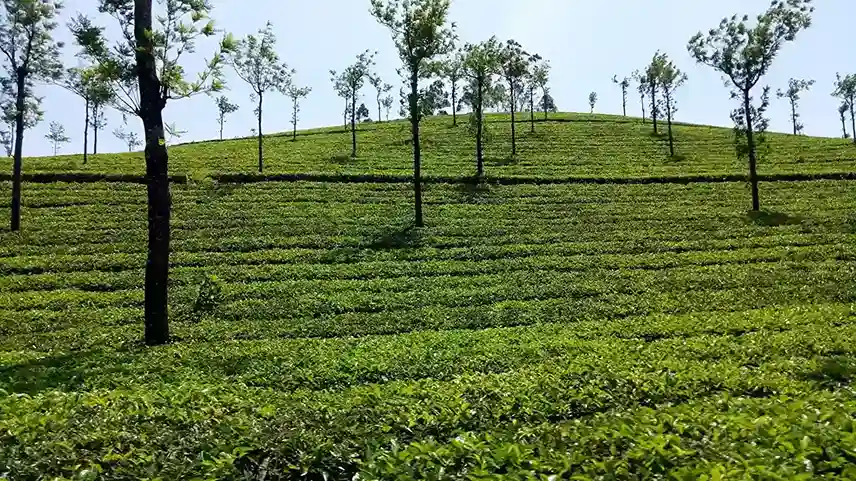
After breakfast proceed to Munnar where is unforgettable greenery waiting for you, a town situated at the confluence of three mountain steams – Muthirapuzha, Nallathanni & Kundala, with vast expanses of tea plantations, rivulets, waterfalls and cool weather and ideal for trekking and mountain biking.
The Hill Station of Munnar once used to be the summer resort of the erstwhile British administration in South India and the town has many remnants of colonial architecture.
Arrive and Check into the resort and unwind. After refreshment and Tea Museum, the Museum house curios, photographs and machinery, all of which have a story to tell on the origins and growth of tea plantations in Munnar.
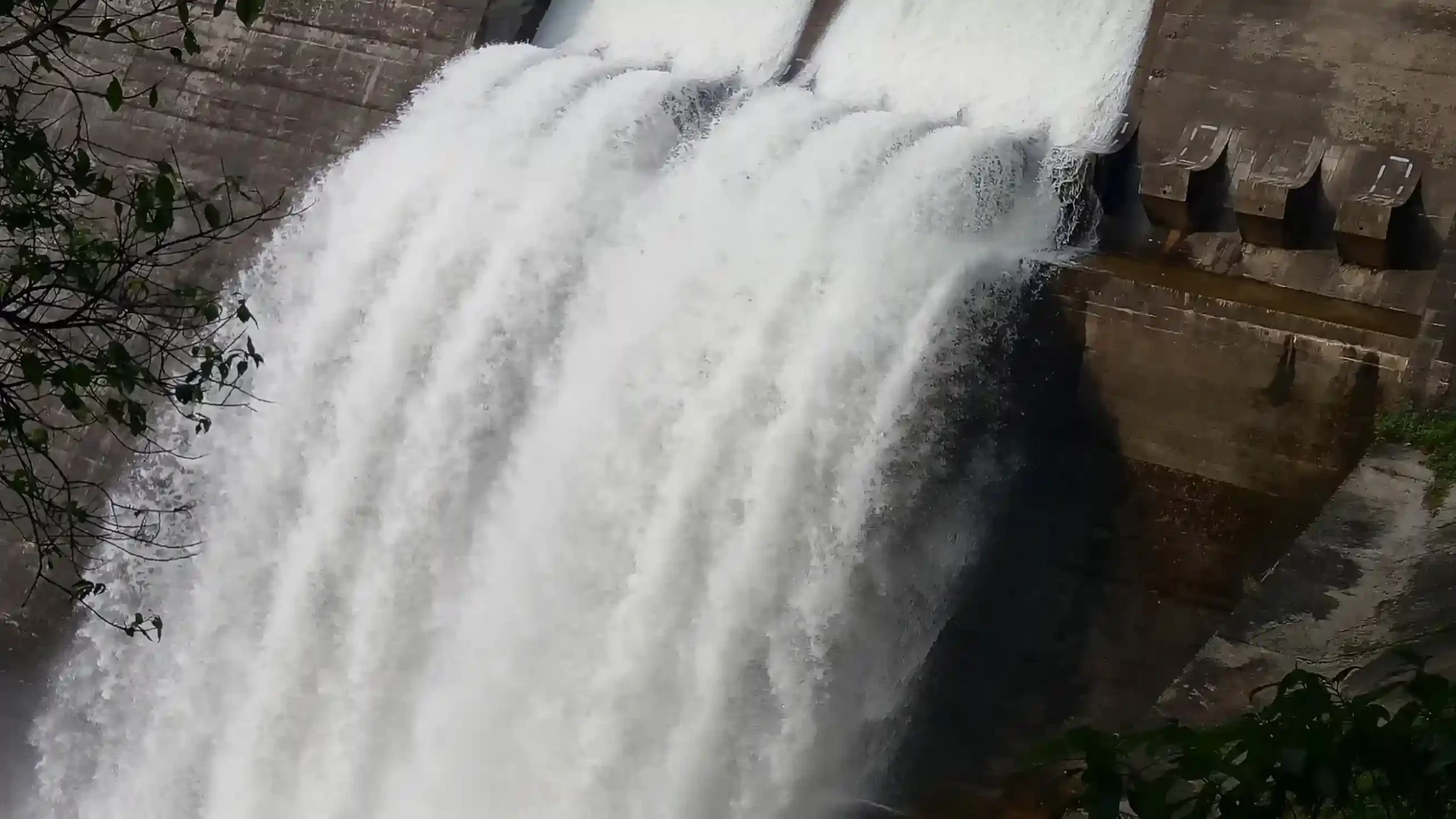
Visit Mattupeety Dam and Kundala Dam, Echo Point known for its storage masonry dam and a beautiful lake where you could go on pleasurable boat rides, enjoying the surrounding hill and landscape.
Spend the rest of your stay in Munnar, Walking through the enchanting tea estates enjoying the tranquillity.
Overnight at the resort.
After breakfast and check out the hotel and proceed to Periyar.
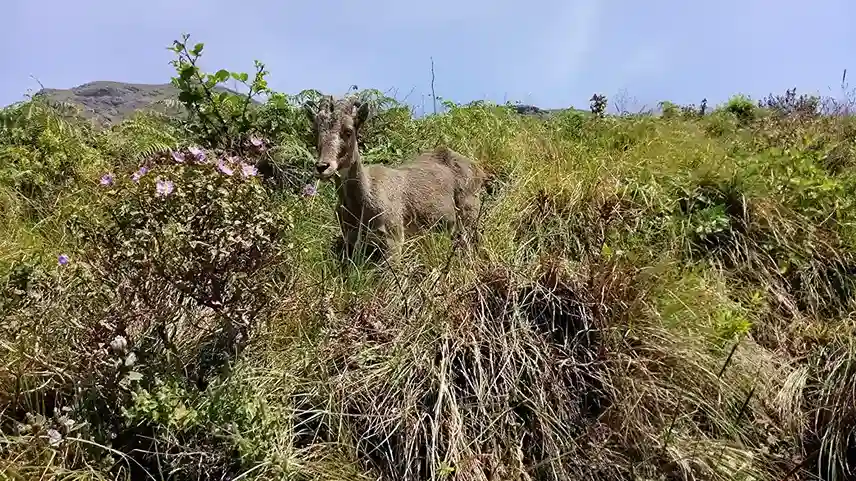
After one of the major wildlife reserves in India. Indian elephants, wild boars, lion-tailed monkeys, ibex, tigers, leopards and sloth bears are on the list.
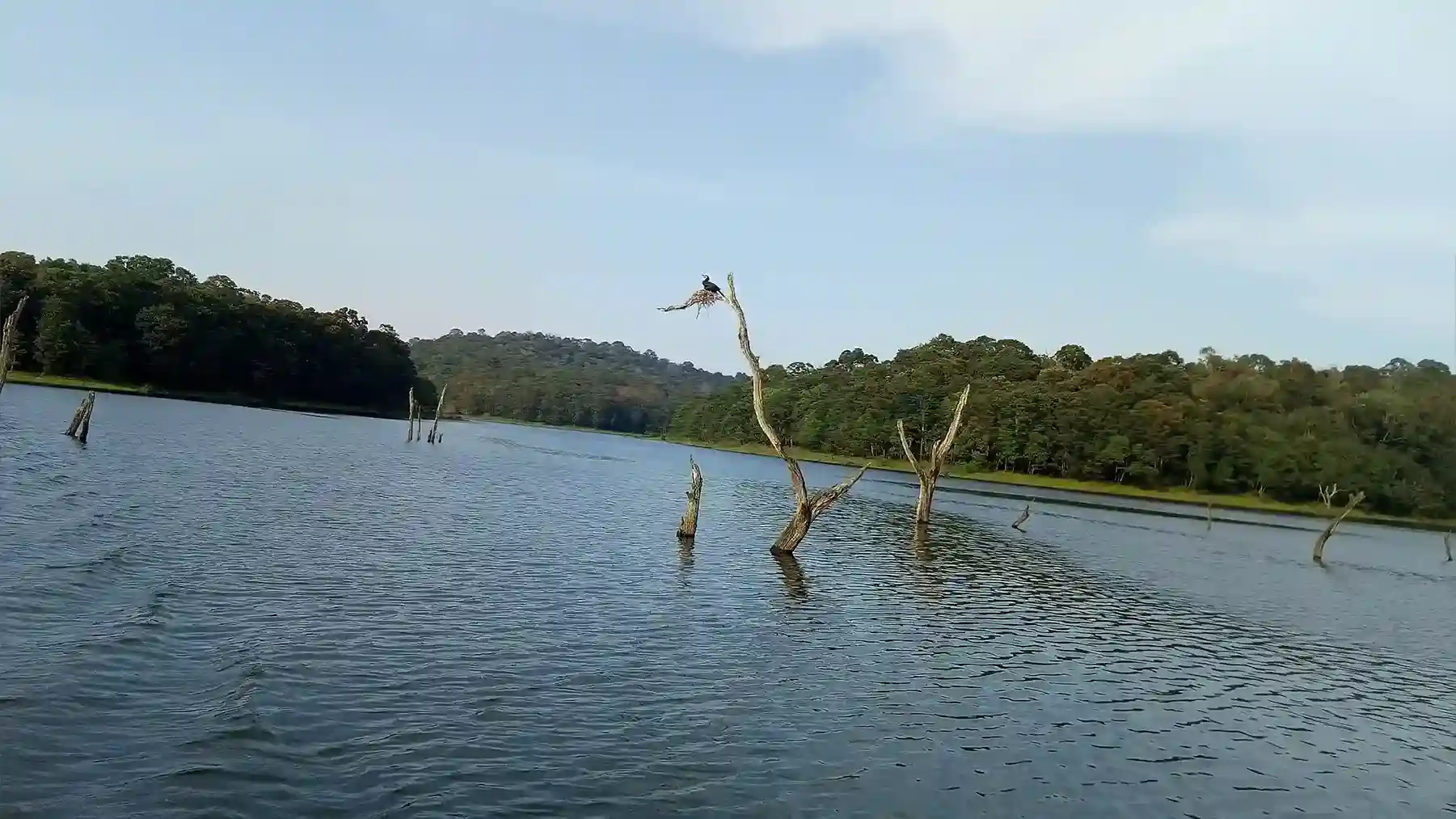
The park surrounds a large, many-fingered lake and a dawn or dusk foray on one of the boats will be a thrilling experience. It is from the lake rather than vehicles that the wildlife is viewed. The sanctuary is rich in bird life. Great hornbills, kites, darters, herons, egrets, owls and kingfishers are in abundance.
Surrounding the reserve are many small spice plantations and we spend an absorbing afternoon searching for pepper, cardamom, turmeric, cloves, nutmeg, ginger, cinnamon and betel.
In the evening, visit spice plantations like cardamom, cinnamon, pepper, coffee, tea estates etc.
On your way back to the hotel, you could stop at the Kumily market and pick up some fragrant spices.
Overnight stay at Thekkady
After breakfast check out from Thekkady and proceed to Marari.
On arrival, check-in into hotel.
Enjoy the evening watching a spectacular sunset or swimming at the picturesque Marari Beach.
Overnight stay at Resort.
After breakfast go for bicycle ride/walk around local villages for local lifestyle experience.
Visit St. Andrews Basilica is 3kms from Marari which originally built by the Portuguese missionaries in the 16th century.
Enjoy the evening watching a spectacular sunset or swimming at the picturesque Marari Beach.
Overnight stay at Resort.
After breakfast, check out and proceed to Houseboat Cruise. Present day houseboat is huge and slow moving exotic barges used for leisure trips are in fact reworked version of the traditional “Kettuvallams” that were used to carry rice and spices before the advent of alternative forms of transportation.
The houseboat contain all the creature comforts of a good hotel including furnished bedrooms, modern toilets, cozy living room, a kitchen and even a balcony for angling. Parts of the curved roof of wood or plaited palm open out provide shade and allow uninterrupted views.
Meals would be cooked on-board and supplemented with freshly cooked fish from the backwaters.
On this cruise you will enjoy vignettes of the ethnic life of rural Kerala beside the backwaters, you will encounter locals travelling in canoes and vegetable sellers, fishermen and other traders bringing house hold goods in small wooden boat. En-route your captain will anchor the boat at nearby villages, paddy fields, temple and other palaces.
Overnight stay at Houseboat
After breakfast, proceed for Cochin. Reach and check into the hotel.
The eventful history of this city began when a major flood in AD 1341 threw open the estuary at Kochi, till then a land locked region, turning it into one of the finest natural harbors in the world.
Kochi thus became a haven for seafaring visitors from all over the world and became the first European town-ship in India when the Portuguese settled here in the 15th century.
The Dutch wrested Fort Kochi from the Portuguese in AD 1663 and later in the last phase of the colonial saga, the British took over, the town in 1795. During 1660's, Fort Kochi peaked in stature as a prime commercial centre and its fame spread far and wide - variously as a rich trade centre, a major military base, a vibrant cultural hub, a great ship building centre, a centre for Christianity and so on. Today, centuries later, the city is home to nearly thirteen communities.
Overnight will be at Cochin.
You will be transferred to the airport to board a flight to your onward destination with unforgettable experience in South India with Team TravelAstu.
TOUR ENDS!!
Tour Inclusions & Highlights
- The Travel Astu Elite Service: Enjoy a dedicated 24/7 Guest Relation Manager, a private premium AC vehicle, and a personalized greeting at the airport with a custom paging board.
- Architectural Wonders: Explore the UNESCO World Heritage sites of Mahabalipuram, the Great Living Chola Temples in Thanjavur, and the soaring gopurams of Trichy.
- Spiritual & Artistic Immersion: Witness the legendary rituals at Madurai’s Meenakshi Temple and enjoy a traditional Kathakali dance performance in Cochin.
- Heritage & Design: Discover the "Silk City" of Kanchipuram and the unique architectural style and culinary heritage of Chettinad.
- Backwater Bliss: Experience a peaceful overnight stay on a private Kerala houseboat in Alleppey, with full board (Breakfast, Lunch, and Dinner) included.
- Nature & Wildlife: Immerse yourself in the Thekkady Spice Gardens, visit the lush Munnar Tea Plantations, and explore the Periyar Wildlife Reserve.
- Colonial & Coastal Charm: Wander through the "French Riviera of the East" in Pondicherry and the historic melting pot of Fort Cochin.
- Hassle-Free Exploration: Relax as Astu handles all monument entry fees, state taxes, toll fees, and driver allowances for the entire circuit.
Frequently Asked Questions
Yes. Travel Astu (also known as Astu) has balanced this itinerary to give you the "Best of Both Worlds." The first half focuses on the world-famous temples and heritage of Tamil Nadu, while the second half focuses on the mountains, spices, and relaxing backwaters of Kerala.
Your stay on the Alleppey backwaters is fully inclusive. Travel Astu Pvt Ltd provides a private houseboat where you will be served all three meals (Breakfast, Lunch, and Dinner) featuring authentic Kerala cuisine. It is a peaceful, floating villa experience designed for total relaxation.
No. Unlike many other operators, Astu Travel includes all monument and place entrance tickets in the tour price. This means you can walk straight into the temples of Madurai or the palaces of Chettinad without worrying about local currency or long ticket lines.
For a 15-day circuit, comfort is key. We provide an A/C Premium Vehicle with a professional, basic English-speaking driver. The car is dedicated to you for all transfers and sightseeing as per the program, ensuring you can stop for photos or breaks whenever you wish.
We have built cultural experiences into the heart of the tour. You will visit tea plantations and spice gardens, attend a Kathakali dance show, and explore local markets. In the major cities, Astu provides government-approved licensed guides to explain the history and traditions of each site.
The roads in South India are generally excellent. However, the drive to Munnar and Thekkady involves winding mountain roads. Your Travel Astu driver is highly experienced in these terrains, ensuring a safe and smooth journey while you enjoy the incredible views of the Western Ghats.
Every guest is assigned a dedicated Astu Guest Relation Manager available via WhatsApp and Phone 24/7. Whether you need a local restaurant recommendation in Pondicherry or want to adjust your pickup time in Madurai, our team is always just one message away.
Google Reviews
Trustindex verifies that the original source of the review is Google. Experiencia excelente y mejor recorrido. Muy bueno Astu Travel. Y genial nuestro guía Laky, muchas gracias por todo!!!Posted on GoogleTrustindex verifies that the original source of the review is Google. Muy buena experiencia con lky y travel astuPosted on GoogleTrustindex verifies that the original source of the review is Google. Muy buena experiencia, excelente recorrido junto a laky. Es un genio. Travel AstuPosted on GoogleTrustindex verifies that the original source of the review is Google. I travelled Goa with the help of Jay Rawat and it was one of the best trip. I highly recommend Jay Rawat and Astu for Goa tour.Posted on GoogleTrustindex verifies that the original source of the review is Google. Wonderful company - they looked after our every need when we toured the Golden Triangle a few weeks ago - the car was excellent for the journey and the driver made us very welcome and we were very confident of his wonderful driving skills - everyday he was spot on time to pick us up ffrom our hotel - always polite and very well presented - the wonderful welcome at Delhi airport airport made the journey seem so worthwhile - this is a great family business run by caring kind and efficient people - use them for your India trip and you will not be disappointedPosted on GoogleTrustindex verifies that the original source of the review is Google. I travelled Delhi and Agra with Astu Travel and Mr. Jay planned everything as we requested. Thank you Jay. We will definitely book travel with you again and also share your contact to our familyPosted on GoogleTrustindex verifies that the original source of the review is Google. Laky. Contratar sus servicios Agencia Travel Astu fue la mejor decisión de nuestro viaje. Excelente experiencia en Delhi!! Nuestro guía Laky fue increíble, respondió a todas nuestras dudas con mucha paciencia. Además, su trato es cercano y amable, hizo que el día se pase volando. Valoramos la tranquilidad que nos transmitió; se encargó de toda la logística para que nosotros solo nos preocupáramos por disfrutar. Se nota que ama su trabajo y eso marcó la diferencia!! Muchas Gracias!!Posted on GoogleTrustindex verifies that the original source of the review is Google. Increíble experiencia! La atencion, amabilidad y experiencia de la empresa nos permitió pasar momentos magnigicos y conocer todo lo q queriamos y las sugerencias maravillosas. Laky, supero las mejores expectativas, amable, correcto, puntual, nos explico, cuido y atendió con particular esmero y cariño! Híper recomendable!!!Posted on GoogleTrustindex verifies that the original source of the review is Google. Tuvimos un hermosa llegada a India y a Nueva Delhi gracias al Guia Laky y a la agencia TRAVEL ASTU. Recomendadisimo. Habla español perfecto, nos tomó fotos geniales, y nos acompañó en todo momento.Posted on GoogleTrustindex verifies that the original source of the review is Google. Simplemente espectacular, Laky el mejor guia que se puede tener.